
Lucien Valéry Yoppa is a senior solid waste management specialist with over a decade of experience in sustainable waste solutions across francophone Africa. He currently leads the “Actions for a Plastic-Free Wouri River” project with Belgium-based NGO River Cleanup and advises GIP-Togo on plastic and organic waste recycling initiatives.
His expertise includes municipal and industrial waste systems, e-waste, plastics, organics, circular economy strategies, and methane reduction.
Lucien has conducted feasibility studies, built local capacity, and shaped policies in partnership with municipalities, NGOs, and major institutions like the World Bank and EU Delegations. Known for combining technical insight with practical, locally-adapted solutions, he works to create cleaner, more resilient communities through innovative, inclusive, and sustainable waste management strategies.
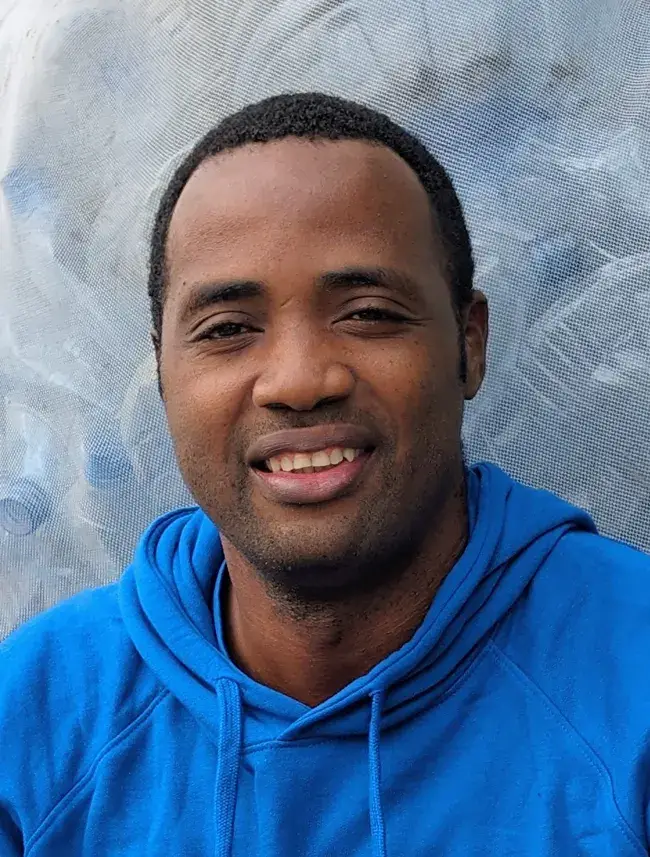
“I’m involved with Global Waste Lab Academy because I truly believe in the power of knowledge-sharing to transform waste management practices, particularly in cities like Douala, where rapid urbanisation and increasing plastic and organic waste streams pose real challenges. The Academy gives me a platform to reach practitioners across Africa and beyond, helping them apply practical, localised solutions. It’s also a great opportunity to learn from peers and combine my field experience with digital learning to empower the next generation of waste professionals.
“I chose to write a course on Sorting Waste at Source: Making practical decisions because it’s a crucial first step in building functional, circular waste systems. In Douala, the lack of source separation often leads to contamination, inefficient collection, and missed recycling opportunities. Teaching this topic helps learners see how small changes at household and community levels can make a big difference – higher recovery rates, less landfill waste, and better overall waste management practices.
“Over the past decade, my work leading projects in Douala and across Cameroon, from setting up material recovery facilities to integrating informal recyclers, has shown me that successful waste systems rely on local engagement and behavioural change. Experiences like implementing the Clean River Model for a plastic-free Wouri River and coordinating e-waste initiatives in Bafoussam have strengthened my conviction that education and practical guidance at the source are essential.
“I hope learners will gain a clear, practical understanding of how to design and implement source separation systems that truly work on their ground. Beyond technical knowledge, I want them to feel confident engaging communities, navigating operational challenges, and thinking strategically about source separation approaches. Ultimately, the goal is to equip new professionals with the tools and insights to make tangible, positive changes in local waste management systems.”