
Built to Last
A good idea can start a waste project.
But turning it into a reliable local system takes much more.
Explore the framework, learn from experienced practitioners and see what could strengthen your own project.
Take the Resilience Review
Developed by Global Waste Lab as Knowledge Partner for the ISWA World Congress 2026. Delivered with be Waste Wise and endorsed by CIWM for Continuing Professional Development.

The Seven Foundations
The foundations work together as a connected system, rather than as steps to be completed in order.

Why a wheel?
The wheel reflects how the foundations reinforce one another – and reminds us that waste systems need to keep rolling.
Where did the framework come from?
Global Waste Lab developed the Seven Foundations framework following Zoë Lenkiewicz’s work as author of UNEP and ISWA’s Global Waste Management Outlook 2024. It brings together lessons from the research behind that report with more than 20 years of practical experience across waste policy, project design and delivery.
The framework looks beyond whether equipment has been delivered or activities completed. It focuses on the conditions that help a promising project take root, adapt and become a reliable local system: leadership and governance, evidence, appropriate solutions, inclusive engagement, recognition of community assets, climate integration and financial sustainability.
Watch Built to Last
Built to Last is Global Waste Lab’s seven-part webinar series, bringing each of the Seven Foundations to life through practical experience and honest conversations with people working to build stronger waste systems. Explore the sessions below – completed recordings and supporting resources are available now, with more added as the series continues.
1. Leadership and governance
Speaker: Mayor Talib Ahmed Bensouda
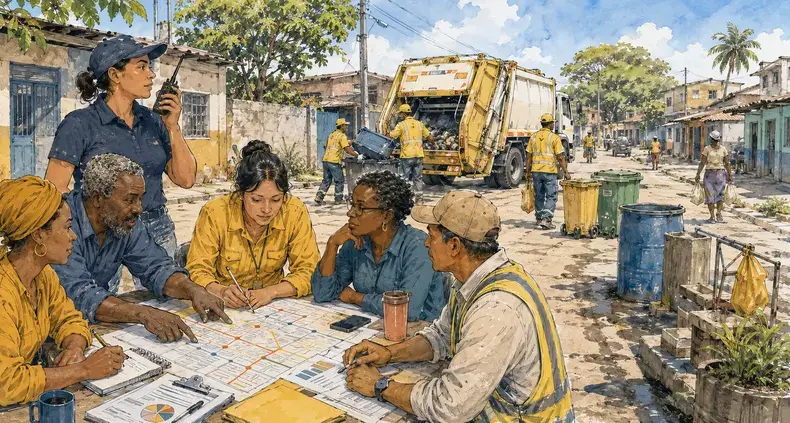
Clear political commitment, practical partnerships and a willingness to start can transform local waste services, even when resources are limited.
2. Evidence base
Speaker: Pushkar Pradhan
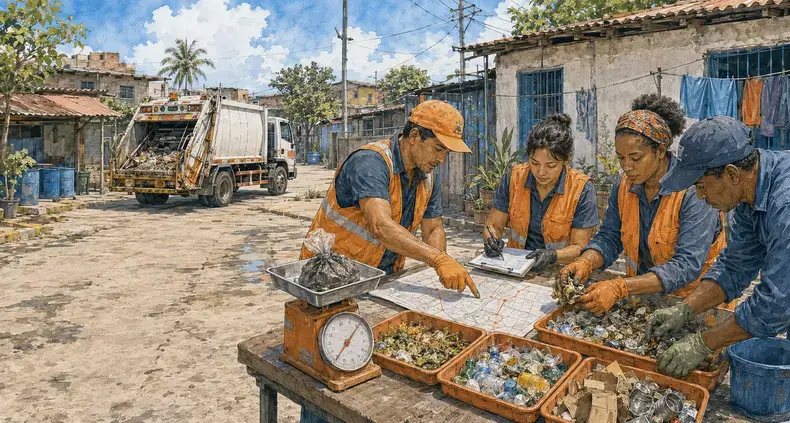
Proportionate, locally relevant data helps teams make better decisions, strengthen operations, build trust and unlock finance.

4. Inclusive engagement
Speaker: Anna Melita de Chavez
Meaningful engagement brings the people who use, deliver and are affected by a waste system into decisions early enough to shape them.

5. Community asset recognition
Speaker: Federico Parra
A resilient waste system starts with what workers have already built, then makes it safer, fairer and stronger without taking it away from them.

6. Appropriate solutions
Speaker: Lakshmi Menon
The right solution fits its local context – technically, socially, economically and institutionally – and can adapt as conditions change.